Cheza Joins the World Ethnosport Union: From Kwepena to African Ethnosports
-
by
Cheza
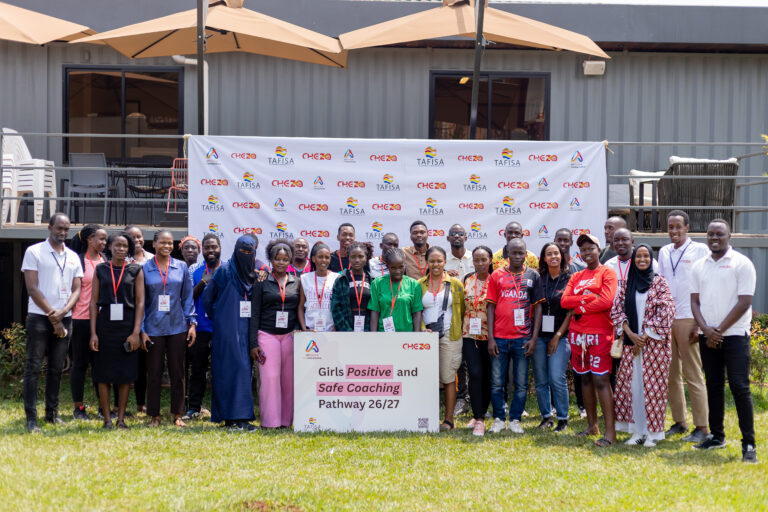
The Cheza Association has joined the World Ethnosport Union, marking a new chapter in its journey from reviving Kwepena to building a wider movement for traditional African sports and games.
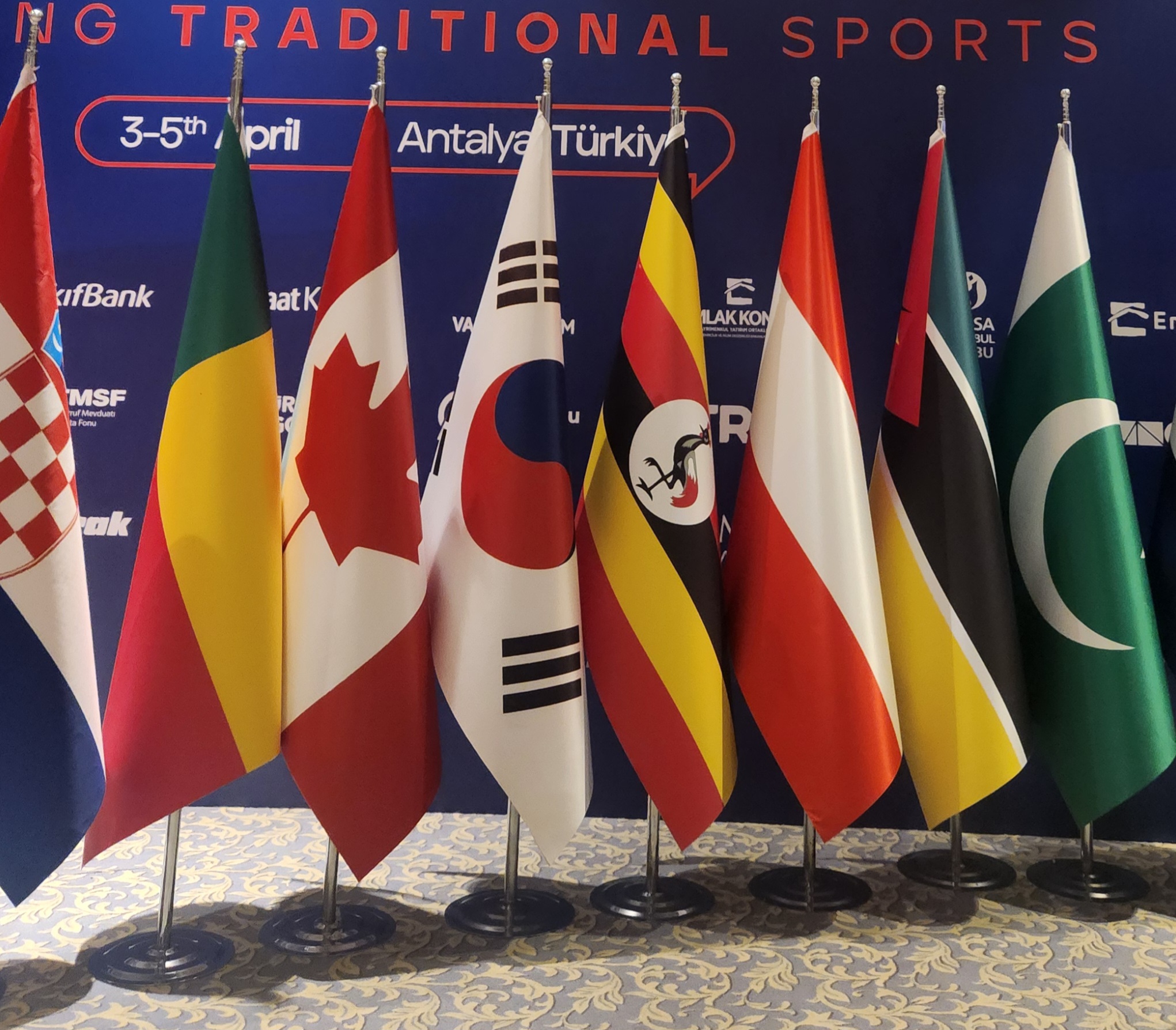
The membership follows Cheza’s recent engagement at the Ethnosport Forum in Antalya and the Ethnosport Festival in Istanbul. Together, these engagements and the membership create a stronger connection between Cheza’s work in African communities and an international network dedicated to traditional sport.
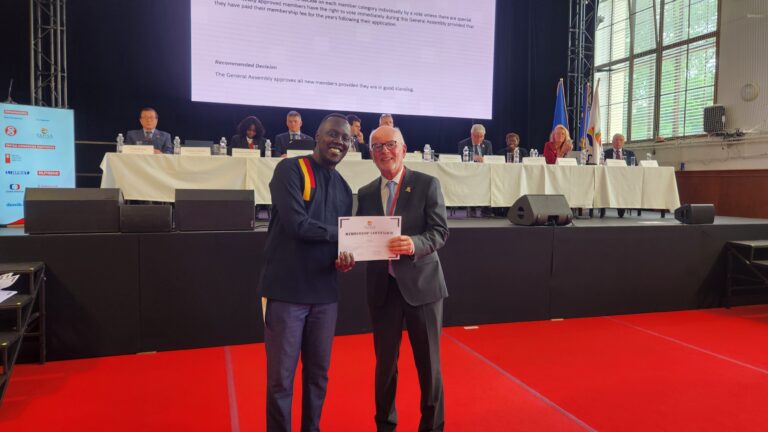
In a letter dated 8 September 2026, World Ethnosport Union President Necmeddin Bilal Erdoğan congratulated The Cheza Association on its admission following a decision by the Union’s Board of Directors, and expressed an interest in further cooperation to revive and promote traditional sports and games.
A story that began with Kwepena
Cheza’s story is rooted in a question: how can the games passed down through African communities continue to be played, valued and developed by new generations?
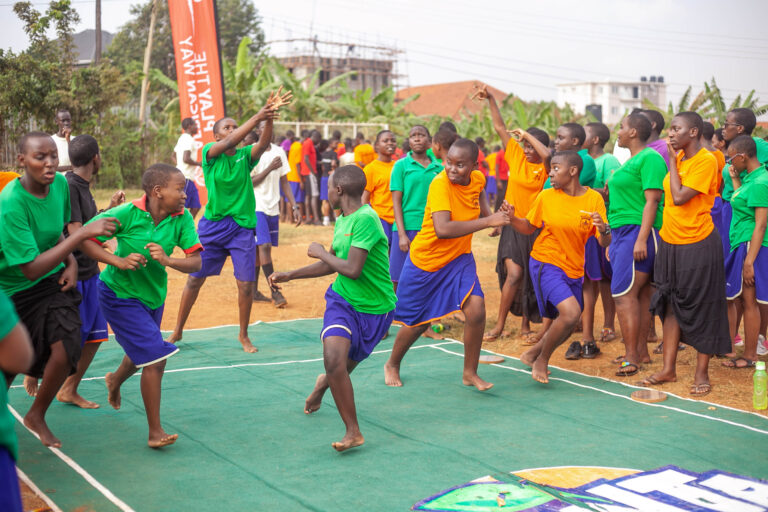
Kwepena offered a starting point. Familiar in Ugandan play culture, the game carries movement, creativity and social connection. Through ChezaDodge, Cheza has worked to give that heritage a structured sporting pathway through coaching, school participation, organised competition and international exchange.
That experience has helped shape a broader vision. Kwepena remains central to Cheza’s identity, while the organisation’s work increasingly looks across African game traditions and the different ways they can support participation.
A wider African ethnosport vision
Cheza’s ambition extends to a diverse family of traditional games: ground and seed games such as Duulu and Liba; board games such as Omweso; rope and elastic games such as Bladda; and traditional target, stick and wrestling games.
These traditions have distinct histories, names and ways of playing. Developing their future requires attention to that diversity, with communities and cultural knowledge informing how games are documented, taught and adapted.
The goal is to make African traditional sports accessible to new generations through schools, clubs, festivals and community programmes, while creating pathways for coaching, equipment development and organised play. Cultural preservation and sporting development can reinforce one another when the heritage remains visible in the activity.
From engagement to an ongoing relationship
At the Ethnosport Forum, Cheza engaged with an international conversation about the preservation and future of traditional sports. The subsequent Festival engagement brought that connection into a setting where traditional sporting cultures are shared through public participation and celebration.
Membership provides a basis for continuing that relationship. Cheza has been admitted in the Union’s observer membership category, enabling participation in members’ meetings and activities. Progression to full membership is subject to a positive Board evaluation after one year.
For Cheza, the immediate opportunity is active participation: exchanging knowledge, building relationships and contributing African sporting experiences to the wider ethnosport network.
Building the next chapter through activity
The Union’s membership communication encourages impactful tournaments, more traditional sports clubs, greater player participation and implementation of the activities proposed in Cheza’s application.
These priorities align with Cheza’s vision for school and community delivery, coach development, cultural festivals and opportunities for international exchange. They also make clear that the value of membership will be realised through sustained activity.
Cheza’s future ambition is to help more African games move from occasional recollection into regular participation: games children can learn, coaches can teach, communities can celebrate and players can carry into new settings.
From Kwepena to multiple African ethnosports, the direction remains rooted in the same purpose: keeping African play traditions alive while giving them room to grow.
Play the African Way.