Cheza Joins TAFISA – Kwepena and African TSGs Step into the Olympic Movement
-
by
Cheza
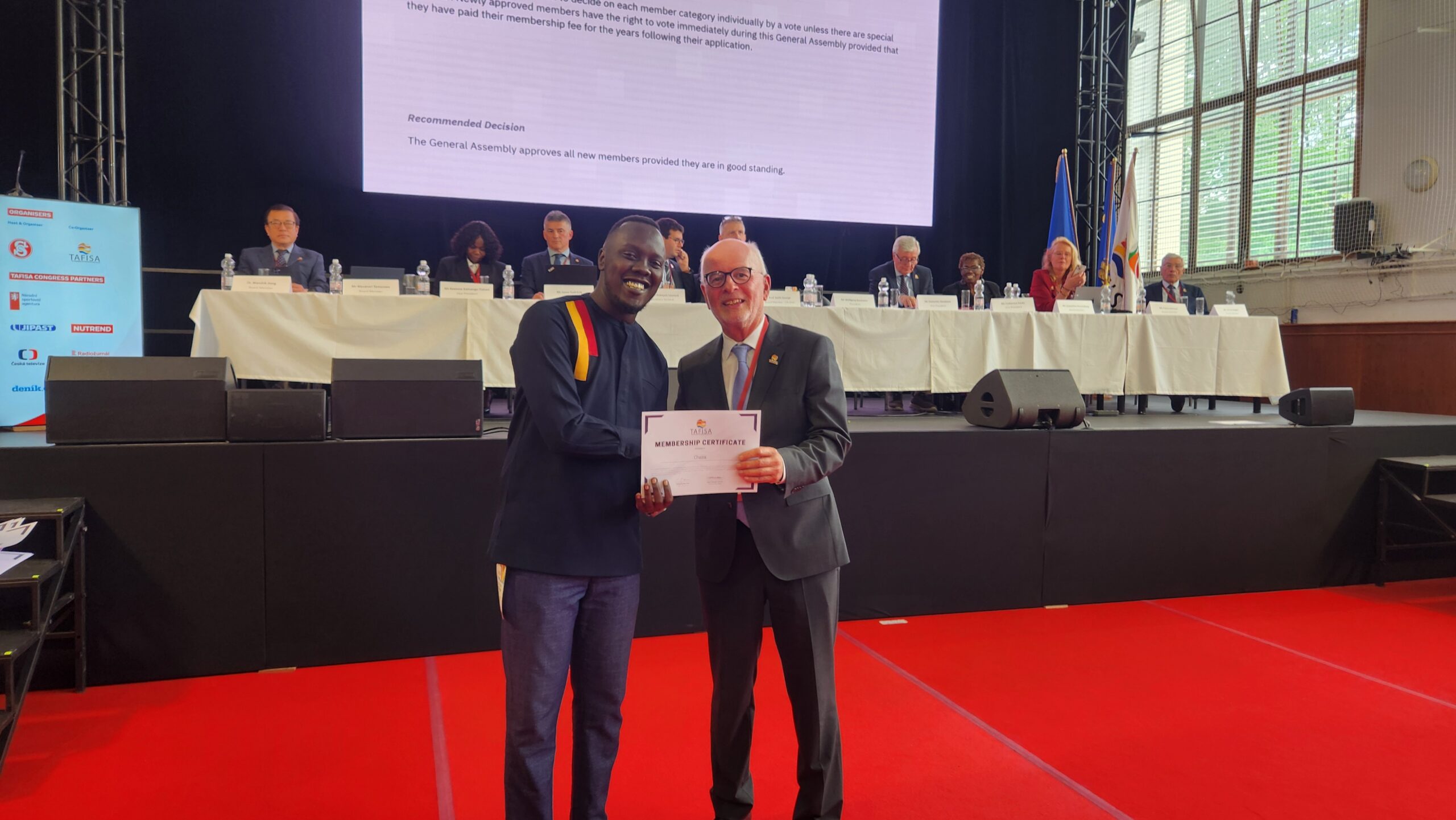
Prague, Czech Republic – Cheza has officially become a member of the International Sport and Culture Association for All (TAFISA), an organization recognised by the International Olympic Committee and UNESCO, marking one of the most significant milestones in the organization’s history and a major step forward for the global recognition of Kwepena/Chezadodge and African traditional sports.
The membership was approved during the TAFISA General Assembly held in Prague, Czech Republic, bringing Cheza into one of the world’s largest and most influential networks dedicated to sport for all, physical activity, active living, social inclusion, and community development through sport.
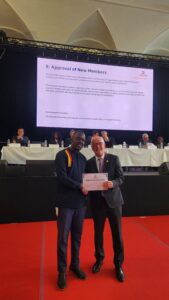
For Cheza, the moment represents far more than institutional recognition. It is the culmination of over a decade of work dedicated to preserving, modernizing and promoting African traditional sports as tools for cultural preservation, youth empowerment, health, education and economic development.
It is also a signal that traditional African sports are increasingly being recognized as an important part of the global sporting ecosystem.
A Journey More Than a Decade in the Making
When Cheza was founded, the organization’s vision was considered ambitious by many.
At a time when conversations about African sport were largely dominated by football, athletics, basketball and rugby, Cheza began asking a different question:
What if Kwepena could become an olympic sport? What if Africa’s indigenous games could become globally recognized sports?
The answer would require years of research, documentation, community engagement, innovation and advocacy.
Across villages, schools and communities, countless traditional games that had shaped generations of African childhoods were slowly disappearing. Many existed only through oral tradition, with no formal rules, governing structures, competitions or development pathways.
Cheza set out to change that.
The organization began identifying, documenting and redesigning traditional African games into structured sporting disciplines that could be taught, played and governed at local, national and international levels.
Among the most notable outcomes of this work has been the development of ChezaDodge, a modern sporting evolution of Kwepena, one of Africa’s most widely played traditional dodge games.
Over time, what started as a grassroots cultural initiative evolved into a movement operating across schools, communities, festivals, development programs and international partnerships.
Today, Cheza works with organizations across Africa and beyond, using traditional sports as a platform for social impact, leadership development, gender equality, disability inclusion and cultural diplomacy.
The organization’s vision remains bold yet simple:
To create a global movement around African traditional sports and ultimately establish Africa’s first truly global sport.
A Seat at the Global Table
TAFISA’s decision to welcome Cheza into its international network is a significant endorsement of that vision.
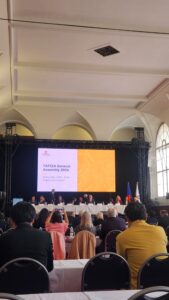
Founded in 1991, TAFISA serves as the world’s leading organization dedicated to Sport for All. Its membership spans more than 170 countries and includes sport federations, governments, municipalities, educational institutions, non-governmental organizations and community-based organizations committed to increasing participation in sport and physical activity.
For decades, TAFISA has played a leading role in promoting inclusive sport policies, active lifestyles and the use of sport as a vehicle for sustainable development.
By joining this global network, Cheza gains access to a diverse international community of practitioners, policymakers, academics and organizations working to expand the role of sport in society.
The membership also provides new opportunities for collaboration, knowledge exchange, research partnerships, program development and international advocacy.
Most importantly, it creates a platform through which African traditional sports can be represented in global conversations about the future of sport.
For many years, indigenous sports have often existed on the margins of international sports discourse.
Through TAFISA, Cheza hopes to contribute to a future where traditional sports are recognized not merely as cultural artifacts, but as living, evolving disciplines capable of addressing contemporary social challenges.
Representing Uganda in Prague
The General Assembly in Prague brought together delegates from across the world to discuss the future of sport and physical activity.
The event formed part of the broader TAFISA World Congress, one of the most important gatherings in the global Sport for All calendar.
Representing Cheza was Founder and President Simon Peter Tumukunde, who participated in meetings, networking sessions and strategic discussions with leaders from across the international sport sector.
The Congress provided valuable opportunities to share Cheza’s journey and highlight the role that traditional African sports can play in advancing social development, community engagement and intercultural dialogue.
It also offered an opportunity to learn from innovative programs and initiatives being implemented across different regions of the world.
Throughout the Congress, a recurring theme emerged: the need for sport systems that are inclusive, culturally relevant and community-driven.
These principles align closely with Cheza’s own philosophy.
Traditional sports have long served as platforms for education, social cohesion, physical activity and cultural identity. They are accessible, community-owned and deeply rooted in local realities.
As governments and organizations increasingly seek sustainable approaches to sport development, traditional sports are becoming an important part of the conversation.
Cheza’s presence in Prague ensured that African perspectives were represented within those discussions.
Recognition of a Growing Movement
The TAFISA membership follows a period of significant international growth and recognition for Cheza.
Over the past two years, the organization has expanded partnerships, strengthened governance structures and increased its international engagement.
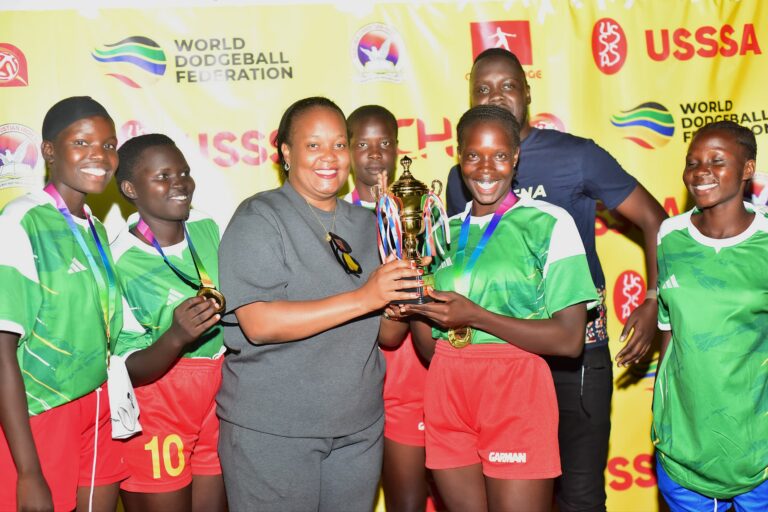
Among the notable milestones have been participation in the World Bank Youth Summit, selection as a laureate in the PASS’SPORT Sport and Entrepreneurship Program in Kigali, recognition through international sport-for-development platforms, and the signing of a historic partnership agreement with the World Dodgeball Federation.
The organization has also continued to expand its grassroots footprint through initiatives such as the Kwepena Festival, the African Women in Sports Summit, Boru Boru Championing Girls in South Sudan, Boneza Ball in Rwanda and numerous school-based programs across East Africa.
Collectively, these initiatives have demonstrated that traditional sports can serve as effective tools for education, gender equality, health promotion, leadership development and community empowerment.
The growing international recognition of Cheza reflects a broader shift in how traditional sports are being perceived around the world.
Rather than viewing indigenous games solely through the lens of cultural preservation, organizations are increasingly recognizing their potential as modern development tools and competitive sporting disciplines.
Looking Ahead
For Cheza, joining TAFISA is not an endpoint.
It is the beginning of a new chapter.
The organization intends to use its membership to strengthen international partnerships, contribute to global Sport for All initiatives and advocate for greater recognition of traditional sports within international policy frameworks.
Cheza also aims to collaborate with fellow TAFISA members on research, education, capacity building and community development projects that harness the power of traditional sports.
At the same time, the organization remains committed to its grassroots roots.
The communities, schools, youth leaders and cultural practitioners who have supported Cheza’s journey remain central to its mission.
As the organization continues to grow internationally, it will do so while remaining grounded in the values that inspired its founding: play, unity, development, health and cultural pride.
A Milestone for Africa
Beyond its significance for Cheza, the TAFISA membership represents an important moment for African traditional sports.
Across the continent, thousands of indigenous games continue to be played, many of them carrying centuries of history, knowledge and cultural significance.
Yet few have received meaningful international recognition.
Cheza’s admission into TAFISA demonstrates that African traditional sports have a place within global sport systems and international development conversations.
It provides further evidence that Africa’s sporting future can be shaped not only by imported disciplines, but also by the continent’s own rich sporting heritage.
As Cheza looks toward the future, the organization remains committed to building a world where traditional African sports are celebrated, supported and shared across borders.
The journey continues, but this milestone serves as a powerful reminder of how far the movement has come and how much potential still lies ahead.
Africa’s Games. The World’s Future.