Cheza Represents Africa’s Traditional Sports at the World Ethnosport Forum
-
by
Cheza
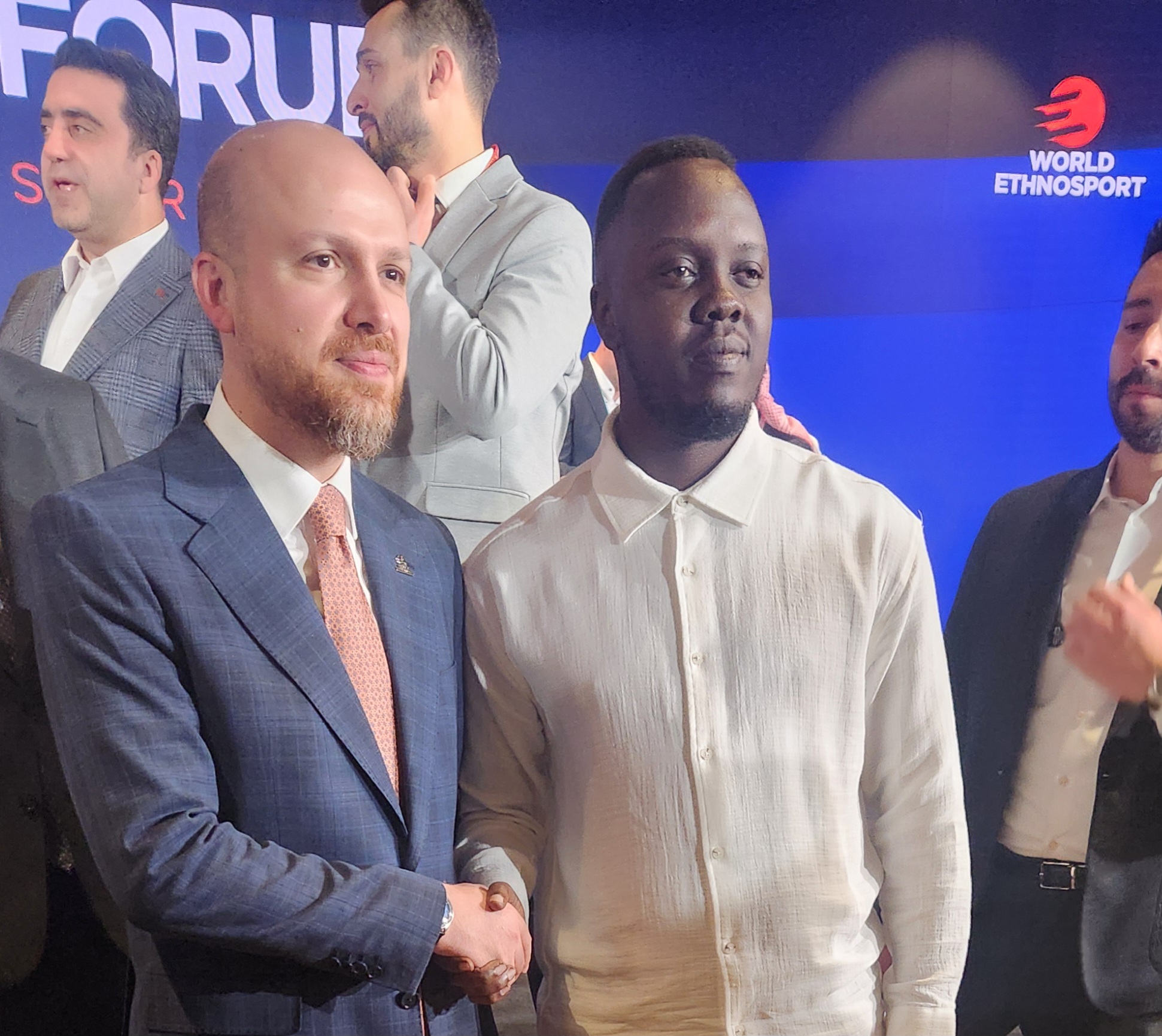
Antalya, 2026. The Mediterranean coast provided the backdrop for the 8th Ethnosport Forum, one of the world’s leading platforms dedicated to the preservation, promotion, and future development of traditional sports and games, hosted by the World Ethnosport Union under the patronage of WEU President, Mr. Necmeddin Bilal Erdoğan and the Turkiye Ministry of Sports. Delegations arrived from across Asia, Europe, Central Asia, and the Middle East representing the full breadth of the WEU’s membership and the extraordinary diversity of the world’s traditional sport cultures. Wrestling traditions, equestrian games, archery disciplines, indigenous field sports: the Forum is a gathering unlike any other in international sport.
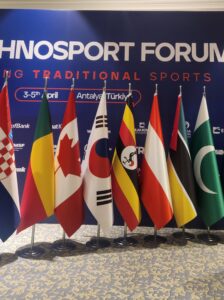
Simon Peter Tumukunde, the Cheza President, was equally invited and had the honour to be there. He was, by his own account, acutely aware of what his presence meant and what his absence in previous years had signified.
Africa, the continent with arguably the richest and most geographically dispersed traditional sport heritage on earth, has historically been underrepresented in the global ethnosport conversation. The World Ethnosport Union’s membership and programming has reflected the institutional weight of Turkey, Central Asia, and East Asia more than the lived traditional sport realities of sub-Saharan Africa. Tumukunde’s attendance at the Forum was not merely a networking visit. It was a statement of intent and inclusion from World Ethnosport.
Africa’s traditional games are not waiting to be discovered. They are waiting to be heard.
THE FORUM AS A STRATEGIC INSTRUMENT
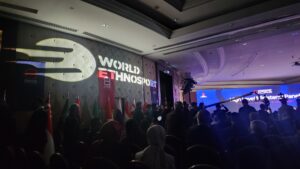
The Ethnosport Forum functions as the World Ethnosport Union’s primary annual convening for policy dialogue, partnership development, and the advancement of the global traditional sport agenda. Panels address the preservation of intangible cultural heritage through sport, the governance frameworks needed to sustain traditional games across generations, and the institutional pathways by which traditional sports can gain recognition within international sport governance structures.
For Cheza, the Forum offered three things simultaneously: exposure to the WEU’s institutional architecture and priorities; direct access to WEU leadership and member delegation representatives; and a platform to begin articulating the case for a formal African presence within the WEU framework. Tumukunde engaged across all three.
WHAT THE ROOM REVEALED
Beyond the formal programme, the Forum offered Cheza something equally valuable: a clear picture of where African traditional sport sits in the global ethnosport imagination, and therefore how large the opportunity is for an organisation willing to fill the gap systematically.
The WEU’s ambitions are considerable. Its quadrennial Ethnosports event draws athletes and cultural delegations from dozens of countries. Its Ethnopark infrastructure is inspiring while the Ethnosport Culture Festival represents the biggest celebration of traditional sports globally. All of it, from Cheza’s vantage point, represents a platform that African traditional sport is positioned to access as Ethnosports 2027 Approaches
The Forum ended. Tumukunde flew home. And within weeks, he was back on a plane to Istanbul for the Ethnosport Festival.
Play the African Way