
The African Ethnosport Encyclopedia
-
by
Cheza
The African Ethnosport Encyclopedia is Cheza’s research and documentation project dedicated to Africa’s traditional sports and games. It brings together historical context, regional game names, playing methods, equipment and references to support cultural preservation, education and sporting development.
Preserving the knowledge behind the game
The heritage of a game lies in how it is played, the communities that practise it, the materials used and the social occasions and songs that accompany it. When that knowledge is scattered across books, oral accounts and local practice, it becomes difficult for teachers, coaches and researchers to access. The Encyclopedia provides a research foundation for Cheza’s mission by organising this knowledge into detailed, referenced game records.
A continental scope
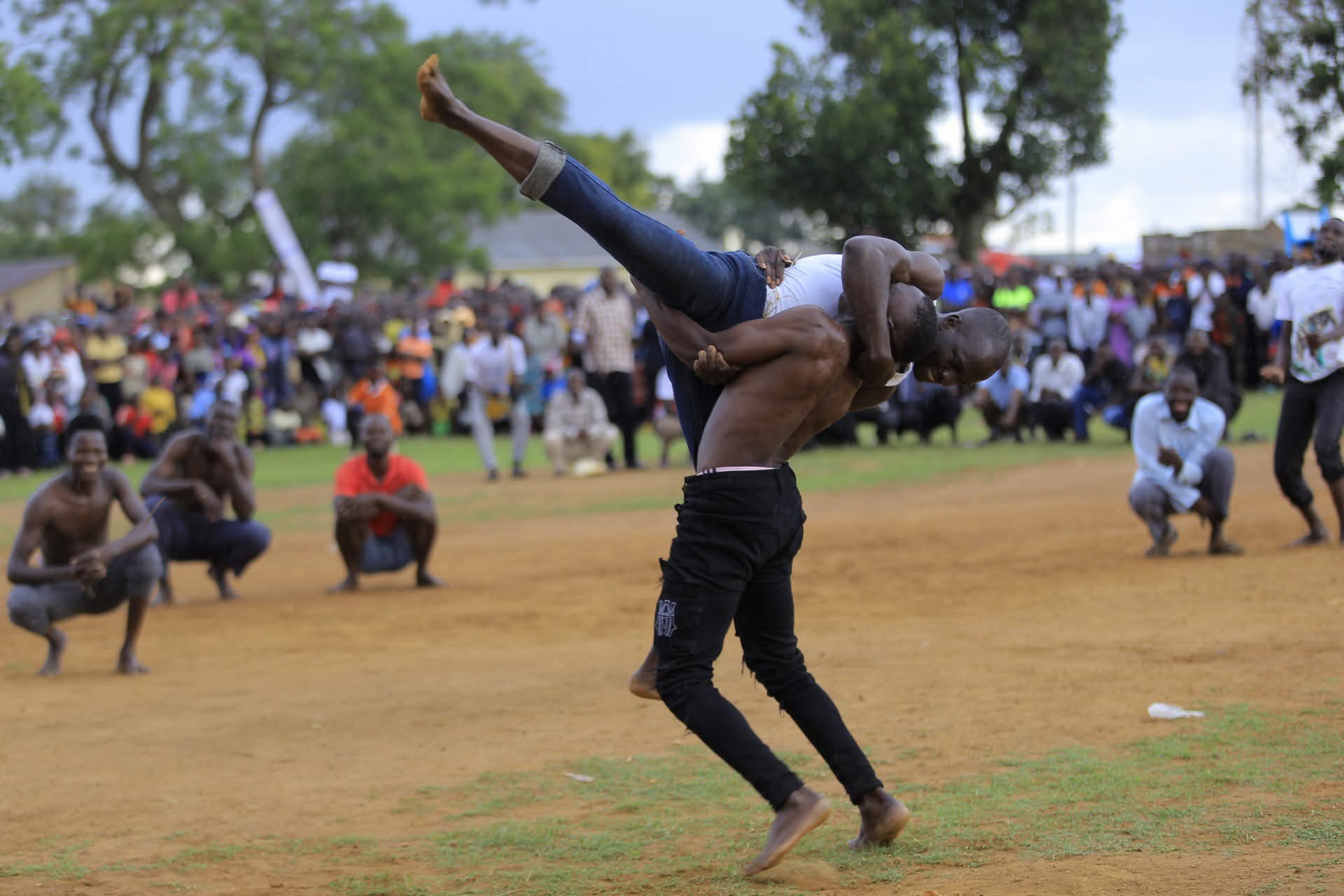
The project takes a country-by-country approach while recognising that traditions cross national boundaries. It records related game families without treating different names and local variations as interchangeable. Areas of research include Kwepena and related dodging games; Sonko and other ground-line games; Duulu and Liba seed and stone games; Bladda and other rope and elastic games; Omweso and other mancala traditions; target and stick games; and wrestling and combat traditions such as Okumeggana/Ekigwo and Okusambaggana.
African voices and historical evidence
Cheza’s research prioritises African-authored sources, including cultural leaders, historians and other writers who documented community life. Research strands include Sir Apollo Kaggwa’s accounts of Buganda, Lubogo’s history of Busoga and Nelson Mandela’s recollections of childhood play. The wider excavation extends across African countries and historical records, including royal chronicles, court manuscripts and memoirs.
Each entry needs references that support the account being presented. Incomplete descriptions and uncertain identifications remain part of the research record. Historical practices, contemporary community play and Cheza’s sporting adaptations are documented distinctly so readers can understand both continuity and change.
The structure of a game record
A substantive entry explains local names and language context, documented regional association, historical and cultural background, equipment, playing space, participants, roles, the sequence of play, scoring or winning conditions where known, and variations. Source references allow readers to trace the evidence behind the description.
Visual documentation supports an understanding of the actual equipment and methods of play. Where modern equipment or rules are proposed, the original practice and the adaptation need to be explained together. A demonstration of Bladda, for example, must represent the correct arrangement of its stands and elastic rather than a generic jumping activity.
Applications in education, culture and sport
The Encyclopedia is intended to support teachers introducing traditional games, coaches planning activities, cultural institutions presenting sporting heritage, and researchers examining African play. Detailed records can inform educational resources, exhibitions, demonstrations and decisions about equipment and participation.
The work also connects with Cheza’s development of structured sports. Research makes it possible to explain the cultural foundations of a game alongside the choices made in adapting it for new settings.
Institutional connections and global pathways
Cheza’s membership in TAFISA and the World Ethnosport Union provides the institutional context for international knowledge exchange around traditional sports and Sport for All. These networks offer opportunities to connect African documentation with organisations working on cultural preservation, community participation and traditional-sport development elsewhere in the world.
Contribute to the Encyclopedia
Game custodians, cultural institutions, researchers and educators can contribute local names, source references, accounts of play and corrections. The project welcomes collaboration that improves the depth and accuracy of the record and helps younger generations access African sporting knowledge. Contact Cheza to discuss a contribution or partnership.