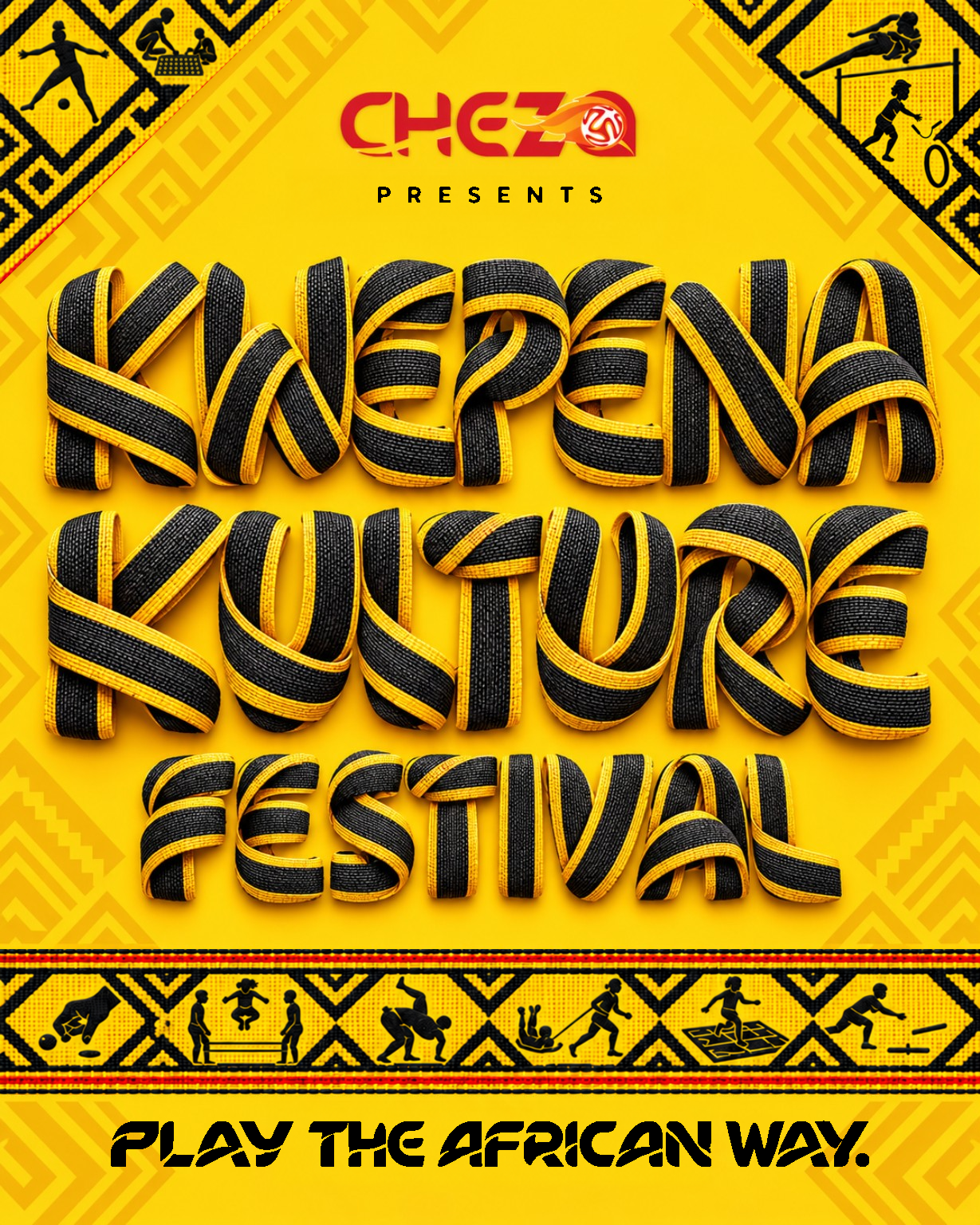
Kwepena Kulture Festival
The Legacy Edition · Cheza’s 12-year anniversary
3–4 APRIL 2027
Hockey Grounds Lugogo · Kampala, Uganda
Gates open at 9:00am on both days.
Play the African Way. Kwepena Kulture Festival brings traditional African sports, music, food, art, heritage and community into one festival village. Play the games, watch the championships, explore the culture and discover how African sporting traditions connect generations.
Kwepena Kulture Festival: play, culture and community
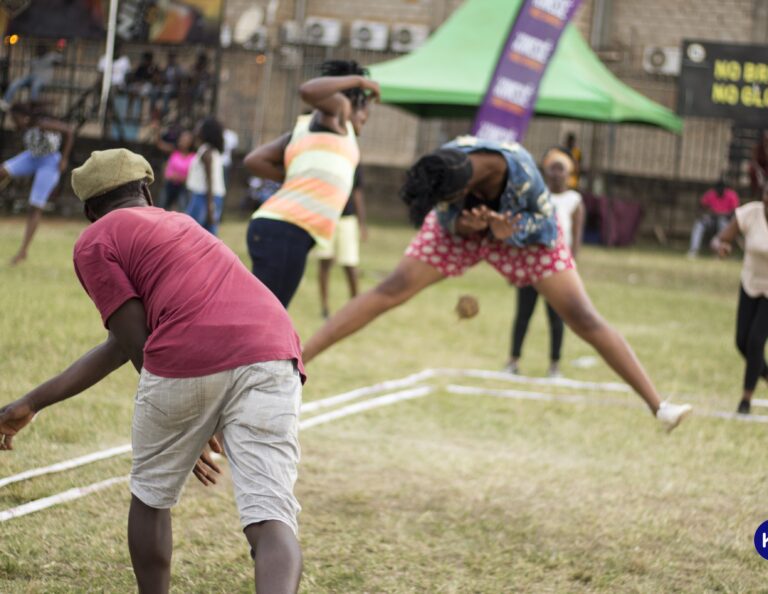
Kwepena Kulture Festival is Cheza’s celebration of Africa’s living sporting and cultural heritage. It brings traditional games into a contemporary public experience alongside music, dance, storytelling, food, craft, fashion and tourism. Visitors can take part, follow competitions and meet the communities who keep these traditions alive.
The festival has grown from Cheza’s Kwepena gatherings in Uganda since 2018 into a wider African ethnosport and cultural platform. The 2027 programme brings together over 40 Ugandan games and play traditions alongside selected African and international experiences.
This is the Legacy Edition, celebrating Cheza’s 12-year anniversary. It honours the movement’s journey, the people and knowledge behind the games, and the work of passing that heritage to the next generation.
Remember
Discover the games, sounds, stories and skills passed through families and communities.
Experience
Move between championships, open play, performances, workshops and cultural pavilions.
Pass it on
Connect festival discoveries with schools, clubs, coaching and year-round community play.
PLAY · WATCH · HEAR · TASTE · DISCOVER
Build your own festival journey. The village combines Ugandan traditional sports championships, African games exhibitions, global ethnosport exchange, cultural heritage and contemporary African entertainment.
Traditional Games Arena
Drop into open-play stations, learn a game and try it for yourself. Each station follows Play It · Learn It · Know It: what the game is, where it comes from and how to play.
Championship Arena
Follow Kwepena / ChezaDodge and selected Ugandan traditional sports as teams and players compete. The programme also brings clan and cultural-community representation into the sporting arena.
Global Traditional Sports Village
Discover games brought by invited African and international practitioners, clubs and cultural organisations. Demonstrations and exchanges connect local heritage with the wider world of traditional sport.
Cultural Community Pavilions
Ugandan communities are invited to share their games, music, attire, craft, food and stories. Pavilion experiences celebrate cultural knowledge through the people who practise it.
Embassy Pavilions
Embassies, high commissions and diaspora communities are invited to bring their countries’ games and cultural traditions to Kampala. Participating missions and pavilion details will be announced.
Family & Kids Zone
Discover mini-Kwepena, movement games, cultural puzzles, drawing, crafts, storytelling and parent–child challenges through supervised, age-appropriate activities.
Africa’s games. Heritage in motion.
Explore 11 game families drawn from Cheza’s African Games Encyclopedia and Ugandan Traditional Games Playbook. The Traditional Sports Village connects Uganda’s games with related African traditions through open play, demonstrations, exhibitions and selected competitive disciplines.
Each family groups games by their central playing action. Local names, cultural contexts and rule variations remain part of the experience, while modern Cheza adaptations have their own sporting formats.
01. Kwepena / ChezaDodge
The family centres on a ball exchanged between opposing throwers while players in the middle dodge, turn, leap and respond. Kwepena, Kati, Rede, Ushumpu and related regional traditions retain their local playing identities.
Naget adds a seven-stone rebuilding task. ChezaDodge develops Kwepena through defined courts, scoring, roles and officiating for structured competition.
02. Lengo, target & projectile games
Players direct a projectile at a fixed, moving or rolling target. Accuracy, timing and reading the target’s movement shape the challenge.
The family includes Lengo, Butida, Cholyo, Okufumita Emmuli, Entengo / Entengotengo and rolling-wheel or hoop traditions such as Nnanziga / Nnamuziga. Wheel-catching, reed targets and projectile casting retain their distinct playing methods.
03. African ball & field games
These games revolve around controlling, passing, striking, carrying or intercepting a ball or playing object in a shared space.
Examples include the Naga family, Enkuyo, Hwishu, Chaskele, Ndanga and Eminkor. Enkuyo’s stick-controlled field play differs from a stick-throwing contest. The Naga family explores territory, airborne play and wheel-based sporting adaptations.
04. Stick, flight & launching games
The stick itself is thrown, launched, struck or used to launch a smaller stick. Distance, flight, target contact and fielding create different challenges.
Amahiri, Embirigo / Okubiriga, Sokoto and related stick traditions belong here. Embirigo combines a distance phase with attempts at a crosswise stick target. Sokoto uses a short stick lifted or tipped into the air and struck with a longer one.
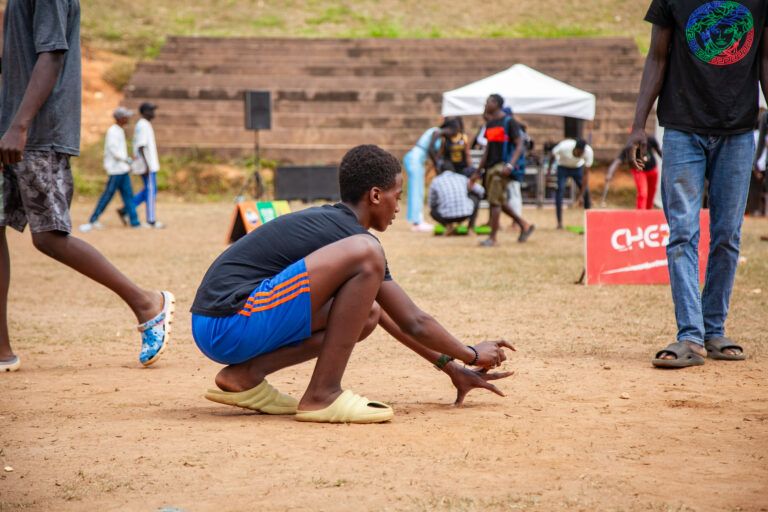
05. Ground, stone & seed games
Small objects become tools for precision, coordination and problem-solving. Duulu involves finger-flicking towards a hole or another playing counter, while Billi uses a ground-shooting format without a hole.
Liba, Diketo, Okubaka Amayinja, Epiki and Dodoi explore toss-and-catch, pickup, pitching and striking actions. Okusiita adds concealment and deduction.
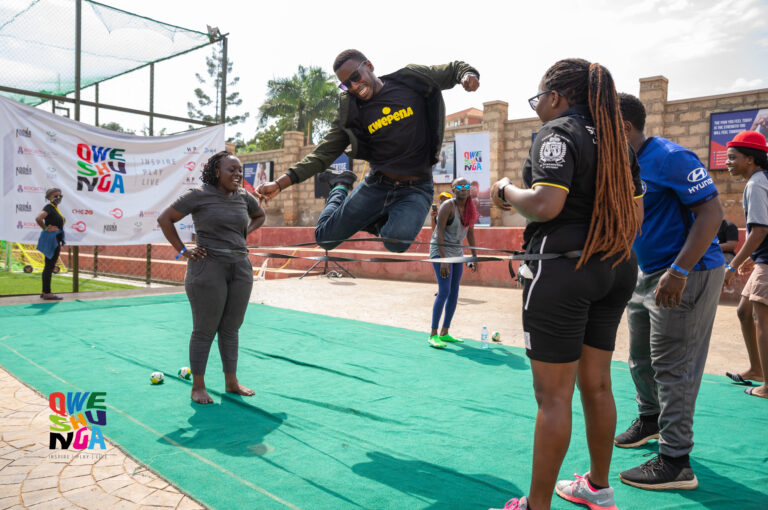
06. Rope, elastic & string games
Jumping patterns, rope timing and shared tension test coordination. Bladda / Bulada uses an elastic rectangle, with Cheza’s four-stand format raising the loop through successive levels.
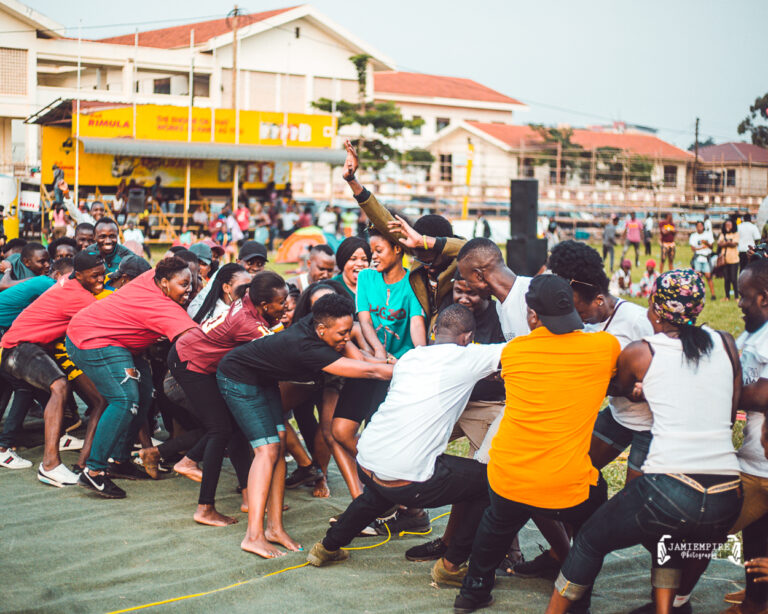
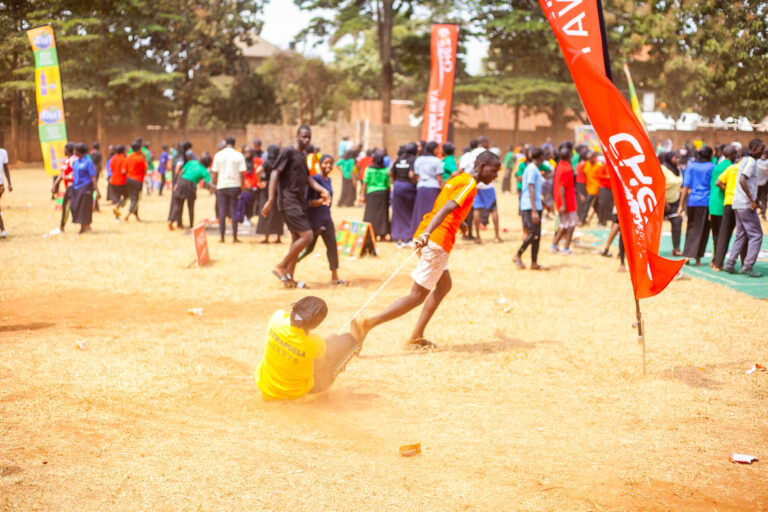
Kubuuka Muguwa, Kgati / Kgadi and two-rope jumping combine timed clearances with locally defined patterns. Kusika Muguwa brings teams into a tug-of-war contest. String figures add a dexterity tradition.
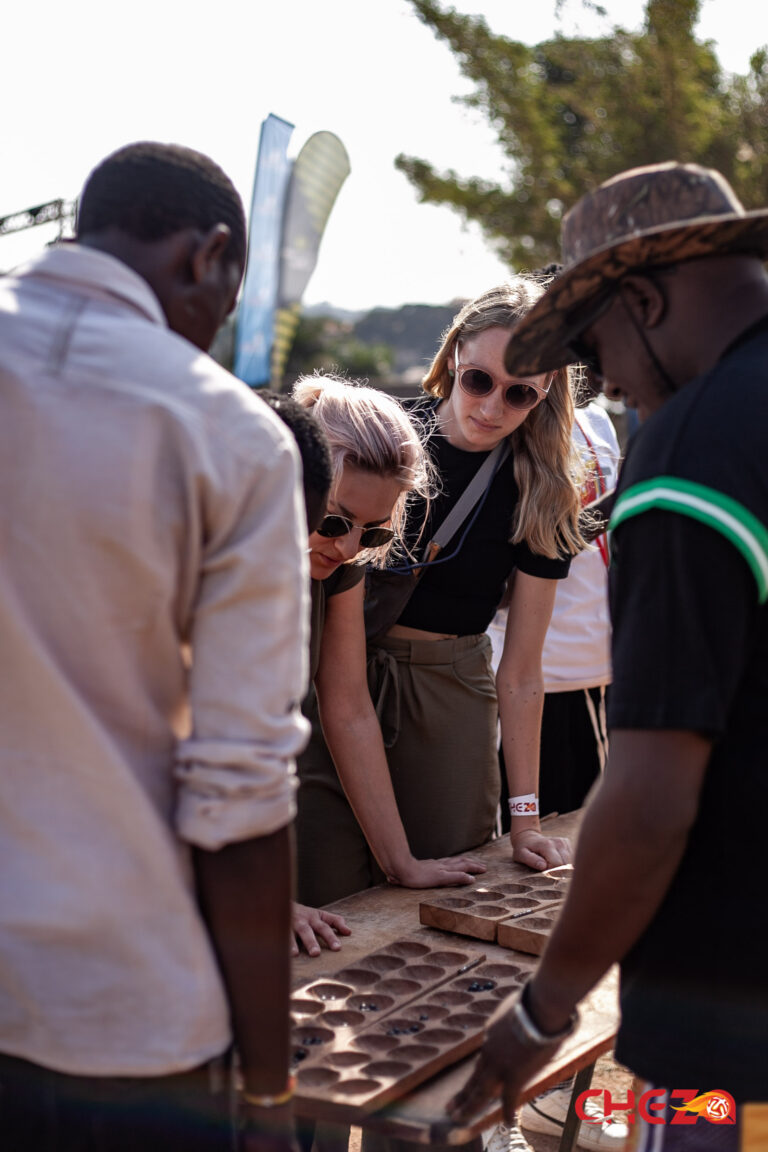
07. Board & strategy games
Players plan sequences, read positions and anticipate an opponent. Omweso, Kisolo, Bao, Oware / Ayo, Ajua, Ncuva and Gebeta belong to wider sowing-game traditions, each with its own board, setup and capture rules.
Yoté, Shax, Seega and Fanorona introduce other placement, movement and capture systems. Similar boards do not make different games interchangeable.
08. Gogolo & sliding games
Gogolo / Ggogolo carries the memory of recreational downhill sliding on banana-stem material. Balance, posture and movement across a surface shape the experience.
Cheza develops contemporary pull, gravity and relay formats for organised festival play. These racing and team formats build on the heritage activity as modern adaptations, rather than being presented as one universal historical race.
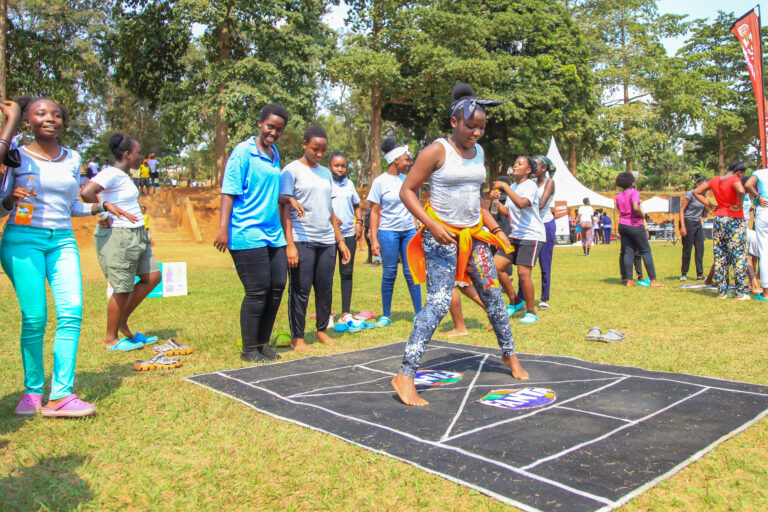
09. Ground-line, movement & chase
Marked routes, defended spaces and pursuit create challenges in footwork, agility and spatial awareness. Sonko / Ssonko uses ground-line hopping and marker placement.
Changachanga involves crossing and returning through a defended grid. Kapa Egoba Emese is a circle-based chase. Chodi-chodi, Kakebe, jumping traditions, relays and other movement challenges extend this family.
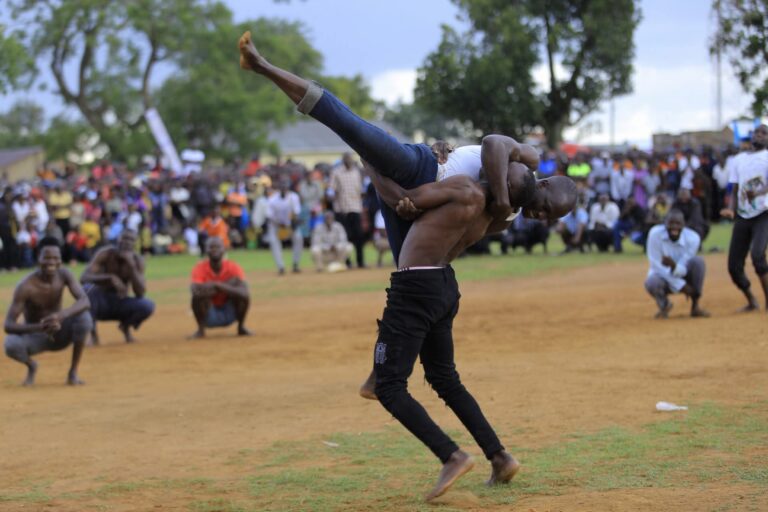
10. Wrestling & combat traditions
Ekigwo / Okumeggana combines grips, lifts, tactical throws and balance to bring an opponent to the ground. It sits within a broader African heritage of wrestling and physical contests.
The Ugandan playbook also records Okulwanya Emiggo and Okusambaggana. Festival interpretation and adapted demonstrations distinguish the historical practices from supervised modern sporting formats.
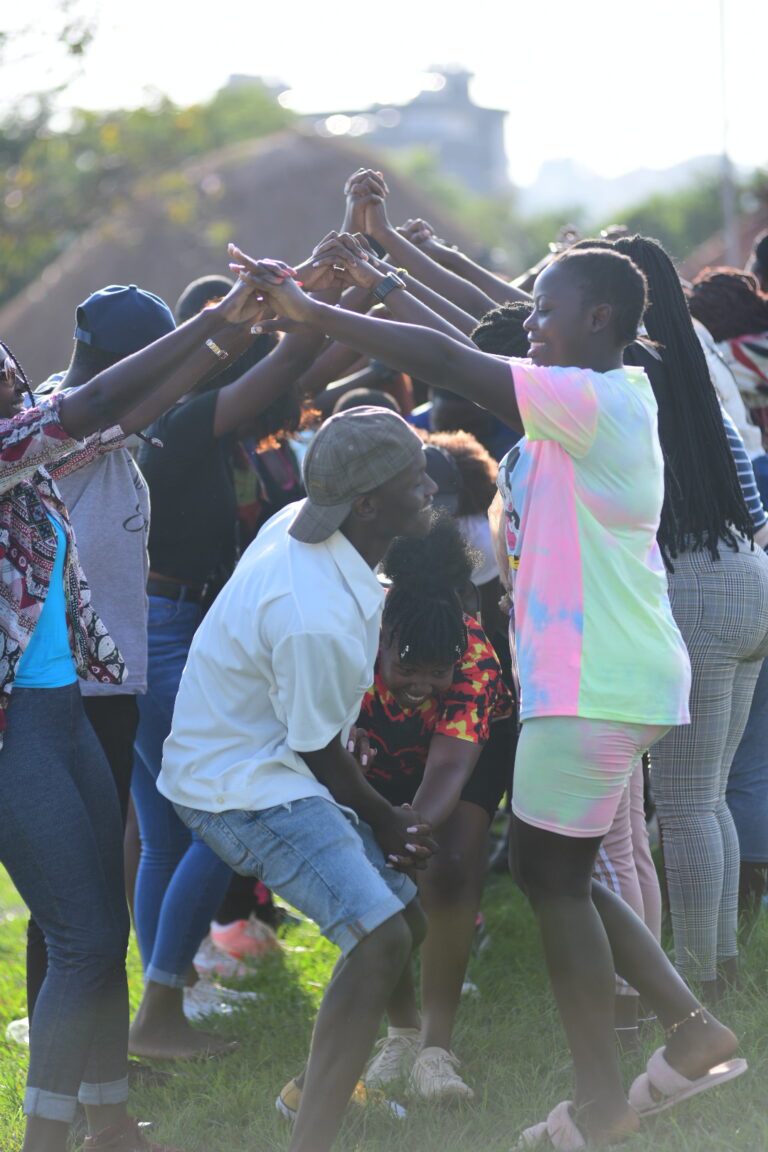
11. Rhythm & music-based games
In these games, song, clapping, counting, a beat or a musical cue helps organise the action. Sekitulege combines a cord-and-gourd apparatus with singing and dance, while Sagam Sagam coordinates movement and exchanges through a chant.
Bulamogi counting play adds a numerical rhythm tradition. African Musical Tug and African Musical Train are contemporary Cheza festival formats.
Learn what each game is, where it comes from and how to play. Competition disciplines, activity formats and participation requirements will be listed in the programme.
Championships with cultural roots
Kwepena / ChezaDodge anchors the competition programme alongside selected traditional sports such as Duulu, Omweso / Kisolo, Bladda, Amahiri and Ekigwo / Okumeggana. Defined rules, scoring, officials and participation categories support organised competition.
Buganda Clan Kwepena Championship: clan teams bring their sporting identity, colours, songs, attire and stories into the competition.
Uganda Cultural Communities Championship: “Uganda Plays Uganda” brings community teams and cultural representation into a shared national celebration.
International competitions: confirmed participating African countries will contest selected ethnosports. Country lineups, disciplines and fixtures will be published in the programme.
Awards will recognise performance and sporting spirit, including player, team and coaching achievements. Competition entry details and final prize arrangements will accompany the fixtures.
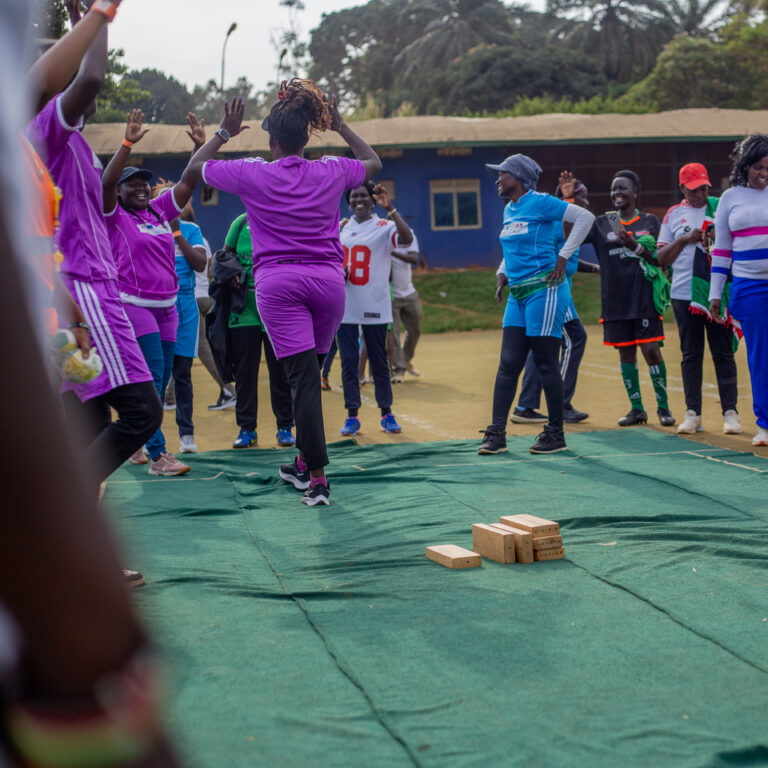
Competition for every part of the community
The festival offers different entry layers across selected sports and games. Categories and formats will reflect the requirements of each discipline.
Corporate companies & communities
Companies and community teams can enter organised games and friendly challenges, connecting workplace participation, community identity and traditional sport.
Schools
School teams and pupils can participate through competitions, demonstrations and learning experiences, with age-appropriate categories and teacher coordination.
Universities
University teams and student groups can compete and contribute to a wider exchange of sporting skill, cultural knowledge and youth leadership.
Individuals
Individual players can enter eligible single-player disciplines and skills challenges, including games that test strategy, accuracy, coordination or physical skill.
Groups & clubs
Traditional-sports clubs, community groups and organised teams can represent their members in the relevant team disciplines.
Government bodies & institutions
Government bodies and institutions can field teams and join challenges that connect participation, teamwork and cultural heritage.
Families
Families can join shared play and family challenges across generations. The family pass covers a group of three.
Roots. Rhythm. Future.
The music programme connects traditional culture, Uganda’s musical memory and contemporary African creativity. Visitors move between spaces rather than waiting for a single scheduled performance.
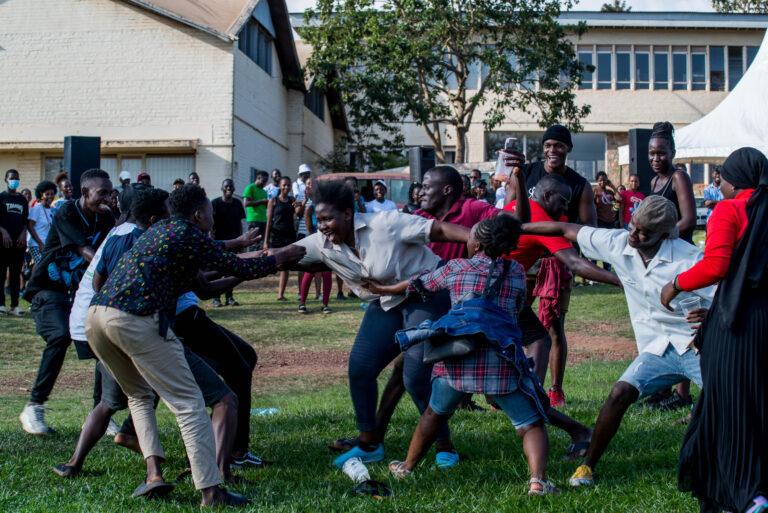
Cultural Fusion Stage
Live music, DJs, drumming, cultural dance, spoken word, poetry, comedy, storytelling, youth performances and fashion bring the central festival space to life.
Sounds of Uganda
Explore musical heritage through listening spaces, vintage records, photographs, instruments and stories. The concept includes Kadongo Kamu, Geoffrey Oryema’s legacy, Elly Wamala’s contribution and regional musical traditions.
New School Africa
Contemporary Ugandan and African sounds meet DJs, dance, fashion, creators and digital culture. The space connects today’s creative energy with the festival’s sporting and cultural roots.
Traditional Instruments
See, hear and discover instruments such as drums, adungu, endongo, xylophones, flutes and percussion through demonstrations and hands-on cultural learning.
Game Night
A shared evening of playful challenges, friendly rivalries and music. The concept includes embassy, corporate, teachers-versus-students and old-school-versus-new-school encounters.
Closing Celebration
The second day brings awards, cultural showcases and an evening celebration that connects the games, performers and communities behind the festival.
Artists, performers, creative partners and appearance times will be announced through festival updates.
Taste it. Make it. Take it home.
African Food & Culinary Village
Discover Ugandan favourites such as rolex, muchomo, matooke, luwombo and katogo alongside regional specialities and invited African cuisines. Food storytelling, cooking demonstrations and culinary showcases enrich the experience.
Art, Craft & Fashion
Explore basketry, beadwork, pottery, painting, sculpture, jewellery, cultural design and African fashion. Meet the artisans and designers behind the work.
Festival Marketplace
Browse crafts, books, games, sports merchandise, tourism products and creative enterprises. Cheza merchandise and traditional game kits connect the festival experience with everyday play.
The Media & Memory Village
Uganda’s sporting and cultural history is also held in broadcasts, newspapers, photographs, recordings and family memories. This village invites media organisations and archive custodians to curate installations that bring those records into the festival experience.
Exhibition themes include historic television and radio, landmark newspaper stories, sports and music coverage, Uganda then and now, and how children played across generations. Visitors can encounter the voices, images and moments that shaped public memory.
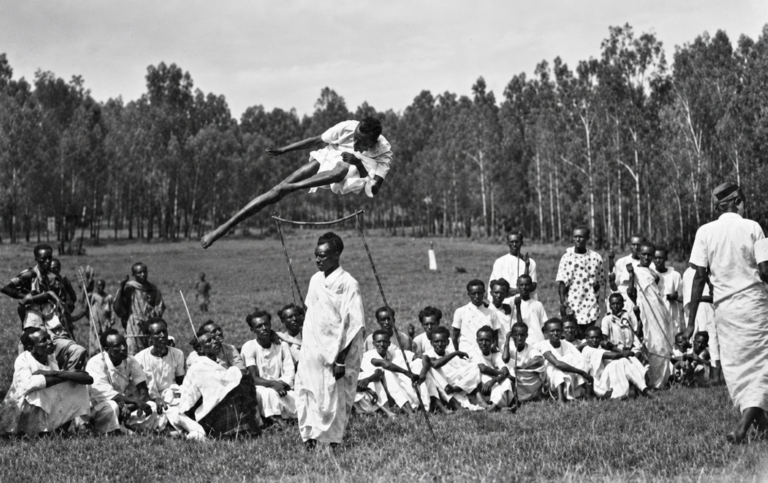
Come play Uganda
The Tourism Village connects the festival with Uganda’s wider cultural and travel experiences. Tour operators, destination partners and community tourism organisations are invited to help visitors discover more of the country.
Play + Kampala
Combine the festival with a city experience and Kampala’s cultural spaces.
Play + Culture
Explore heritage sites, community knowledge and cultural experiences beyond the festival grounds.
Play + Jinja / Safari / Adventure
Discuss longer itineraries combining festival participation with the Source of the Nile, nature, safari or adventure experiences.
Tourism packages and participating operators will be announced separately.
Two days. Your own journey.
Saturday 3 April & Sunday 4 April 2027 · Gates open 9:00am daily.
Games, cultural pavilions, music spaces, food, workshops and the marketplace are designed as a continuous village experience across both days. The programme below highlights the main moments; detailed timings and participating teams will follow.
SATURDAY 3 APRIL
Play · Discover · Compete
9:00am: gates open, village activities and team arrival.
Morning: opening ceremony, cultural procession, team parade and Kwepena / ChezaDodge showcase.
Afternoon: championship preliminary and group rounds, clan competition, African traditional sports exhibitions and global demonstrations.
Evening: music, cultural showcases and Game Night.
SUNDAY 4 APRIL
Compete · Celebrate · Connect
9:00am: gates open for family and community play.
Morning: semi-finals and selected traditional sports finals.
Afternoon: Kwepena / ChezaDodge grand final, clan and community championship highlights, demonstrations and exhibition play.
Evening: awards, closing ceremony, cultural showcases and the closing celebration.
From festival competition to representing Uganda
Kwepena Kulture Festival is a talent-identification and athlete-development platform for Uganda’s traditional sports. Winning participants in selected competitive disciplines will enter Cheza’s pathway towards representing Uganda at the 2027 international Ethnosport Games and the 2028 TAFISA World Sport for All Games, subject to the respective qualification, selection and participation requirements.
The pathway connects community play, organised participation, national competition, athlete selection and international representation. Cheza’s TAFISA and World Ethnosport Union memberships provide the institutional context for these international pathways.
The festival’s legacy also continues through clubs, school and regional competitions, coaching and referee development, game custodians, cultural documentation and research. This edition marks Cheza’s 12-year anniversary while preparing the next generation of players and practitioners.
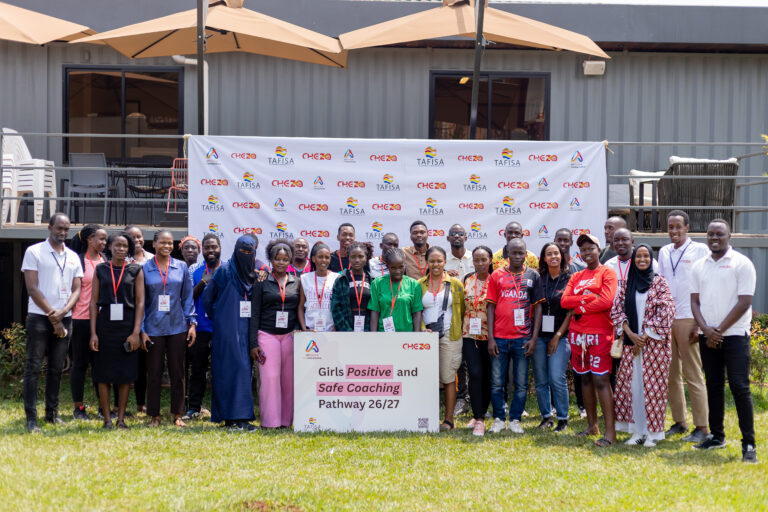
Plan your visit
DATES & OPENING
3–4 April 2027
Saturday and Sunday.
Gates open 9:00am daily.
All times are Uganda time.
VENUE
Hockey Grounds Lugogo
Lugogo, Kampala, Uganda.
Entrance, transport and parking information will be published before the festival.
FAMILIES & ACCESS
Families, schools, beginners, older visitors and people with disabilities are part of the festival’s inclusive approach. Contact the team about group arrangements and specific access requirements.
Safe participation: the festival’s operational planning covers supervised play, trained officials, safeguarding, child protection, medical and first-aid support, crowd management and food safety. Instructions for visitors and participants will be provided ahead of the event.
Responsible festival: the sustainability approach includes local sourcing, reusable materials, refill points, waste separation, responsible packaging and support for local artisans.
Festival tickets
Choose the pass that suits your visit. All prices are in Ugandan shillings (UGX).
Full Festival Pass
-
Festival admission on 3 and 4 April 2027
Competition Pass
-
Group of 5 participants
-
Comes with a kit
For tickets, group participation or competition entry, contact the festival team on +256 784 218 964 or +256 740 237 040.
Be part of Kwepena Kulture Festival
Teams, schools & clubs
Enquire about competition entry, school visits, youth demonstrations and community teams. Teachers can explore learn-to-play sessions, coaching clinics, referee introductions and traditional games in physical education.
Cultural communities & embassies
Propose a pavilion, game demonstration, story, performance or cultural contribution. The programme invites cultural institutions, game custodians, embassies, diaspora communities and international practitioners.
Artists, artisans & vendors
Express interest in food, craft, fashion, books, game products, music, archive installations or marketplace participation.
Volunteers & facilitators
Support the visitor experience, game stations, cultural learning and festival operations. Tell the team about your skills and availability.
Partners & sponsors
Discuss festival, zone, game, Game Night or community partnerships. Opportunities include cultural programming, equipment, inclusion, youth participation, tourism and practical event support.
Media & creators
Enquire about coverage, interviews, festival stories, photography, creative content and contributions to the Media & Memory Village.
Presented by Cheza
The Cheza Association works to revive and develop traditional African games through sport, education, inclusion and cultural preservation. The festival reflects that mission in a participatory public experience.
Cheza’s memberships in TAFISA and the World Ethnosport Union provide the institutional context for international Sport-for-All and traditional-sports exchange. Its partnership with the World Dodgeball Federation connects the Kwepena / ChezaDodge and dodgeball programme with a wider technical and sporting network.
Kwepena Kulture Festival
Play the African Way.
3–4 April 2027 · Hockey Grounds Lugogo, Kampala
Gates open 9:00am daily.
The Legacy Edition celebrates Cheza’s 12-year anniversary.